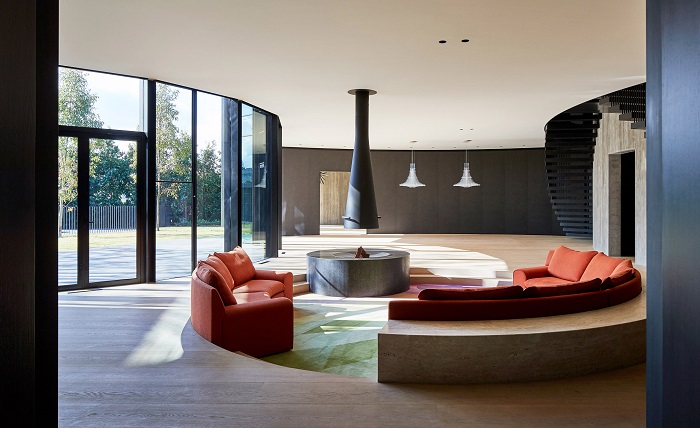
A conversation pit is a sunken seating area built into a living space, designed to encourage intimate social interaction. The concept of a conversation pit became popular in mid-century interior design, offering a cozy, enclosed environment where people naturally face each other. A conversation pit typically sits lower than the main floor and is often surrounded by built-in seating, cushions, or modular sofas.
A conversation pit is more than just a design feature; it is a social architecture idea that transforms how people communicate indoors. In a conversation pit, the lowered floor level creates a sense of separation from the rest of the room, making it ideal for relaxed gatherings, storytelling, and meaningful conversations. The design of a conversation pit emphasizes comfort, togetherness, and visual warmth.
History and origin of conversation pit
The conversation pit first gained popularity in the 1950s and 1960s during the rise of mid-century modern architecture. Designers experimented with open-plan living, and the conversation pit emerged as a bold innovation that broke traditional furniture layouts. Architects like Bruce Goff and others helped popularize the conversation pit as a centerpiece in futuristic homes.
A conversation pit reflects the cultural shift of its era, where informal living and social openness became highly valued. In many iconic homes, the conversation pit was placed near large glass windows or fireplaces, reinforcing its role as a social hub. Over time, the conversation pit became a symbol of retro luxury and experimental design thinking that still influences interiors today.
Design principles of conversation pit
A well-designed conversation pit focuses on depth, symmetry, and human interaction. The lowered structure of a conversation pit naturally draws people inward, creating a circular or square seating arrangement that promotes eye contact. Designers often use steps or gradual slopes to transition into the conversation pit area smoothly.
The conversation pit also relies heavily on spatial balance and acoustics. Because the conversation pit is partially enclosed, it can create a quieter environment even in open-plan homes. Designers carefully consider lighting, ensuring the conversation pit feels warm and inviting. Whether minimal or luxurious, every conversation pit is designed to make people feel connected and comfortable.
Materials and furniture in conversation pit
A conversation pit often features built-in seating made from wood, concrete, or upholstered platforms. The materials used in a conversation pit play a crucial role in defining its comfort and aesthetic appeal. Soft cushions, modular sofas, and plush fabrics are commonly added to enhance the coziness of the conversation pit.
In many modern homes, a conversation pit incorporates a mix of natural and contemporary materials such as stone flooring, velvet upholstery, and wooden accents. A conversation pit may also include integrated lighting or a central coffee table to enhance functionality. The furniture layout in a conversation pit is always circular or inward-facing, ensuring that social interaction remains the focus.
Social benefits of conversation pit
A conversation pit is designed to enhance human connection by removing physical and psychological barriers between people. Sitting in a conversation pit naturally encourages eye contact and group engagement, making conversations feel more personal and meaningful. This design fosters deeper social interaction compared to traditional seating arrangements.
The conversation pit also promotes relaxation and inclusivity. Because everyone sits at a similar level within the conversation pit, it eliminates hierarchy and creates a sense of equality among guests. Families, friends, and even coworkers can benefit from the conversational flow that a conversation pit encourages, making it a powerful tool for social bonding.
Modern interior design revival of conversation pit
The conversation pit has experienced a strong revival in modern interior design, especially in luxury homes and creative spaces. Contemporary architects are reintroducing the conversation pit with updated materials, minimalist aesthetics, and smart lighting systems. The modern conversation pit blends nostalgia with innovation.
Today’s conversation pit is often seen in open-plan apartments, boutique hotels, and high-end lounges. Designers reinterpret the conversation pit using sustainable materials and flexible seating arrangements. This revival shows that the conversation pit remains relevant as people continue to value meaningful in-person interaction in an increasingly digital world.
Tips to build your own conversation pit
Creating a conversation pit in your home requires careful planning of space, depth, and layout. The first step in designing a conversation pit is selecting a suitable area where the floor can be safely lowered or visually recessed. A conversation pit should feel natural within the architecture of the room.
When building a conversation pit, comfort should be a priority. Choose soft seating, durable materials, and warm lighting to enhance the atmosphere of the conversation pit. You can also add rugs, cushions, and a central table to complete the look. A well-designed conversation pit becomes the heart of the home, offering both style and functionality.
Conclusion
A conversation pit is more than a design trend; it is a timeless concept that redefines how people gather and communicate. From its mid-century origins to its modern revival, the conversation pit continues to influence interior design around the world. Its unique sunken structure makes the conversation pit a powerful social space that encourages connection and comfort.
Whether in a luxury home or a creative renovation project, the conversation pit remains a symbol of thoughtful design. By blending aesthetics with human interaction, the conversation pit proves that architecture can meaningfully shape relationships and experiences in everyday life.
FAQs
1. What makes a conversation pit unique?
A conversation pit is unique because it is a sunken seating area designed to promote face-to-face interaction and social bonding in a relaxed setting.
2. Is a conversation pit expensive to build?
A conversation pit can vary in cost depending on materials and construction, but custom-built versions may require a higher budget due to structural work.
3. Can a conversation pit be added to an existing home?
Yes, a conversation pit can be added to some existing homes, but it often requires architectural modifications to lower the floor safely.
4. Why did conversation pits become popular again?
A conversation pit became popular again due to the revival of mid-century modern design and the growing desire for more personal, social living spaces.
5. Are conversation pits practical for modern homes?
A conversation pit is practical in modern homes when designed with safety, comfort, and flexible use in mind, making it both stylish and functional.