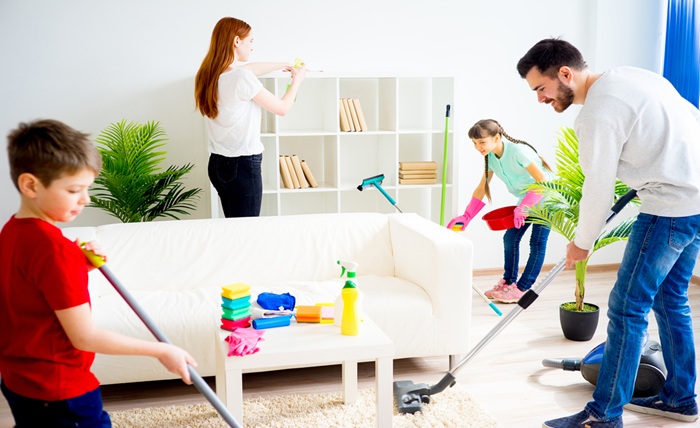
House chores are the daily or weekly tasks required to keep your living space clean, organized, and functional. While many people may view house chores as tedious, they are essential for maintaining hygiene and comfort in any home. House chores include sweeping, mopping, dusting, laundry, washing dishes, and organizing items. Understanding the importance of house chores can help you develop a routine that improves both your physical environment and mental well-being. Regularly performing house chores also prevents clutter, reduces allergens, and creates a more inviting space for family and guests.
House chores aren’t just about cleanliness—they are about creating a lifestyle of order and discipline. For instance, individuals who schedule house chores tend to experience less stress, feel more productive, and enjoy a higher quality of life. House chores also teach responsibility, particularly for children, as they learn to contribute to household maintenance. Moreover, house chores provide an opportunity to instill good habits, like consistency and time management. Understanding house chores and their significance can transform them from a dreaded duty into a manageable and even satisfying routine.
Common Types of House Chores
House chores can be categorized into daily, weekly, and monthly tasks. Daily house chores include washing dishes, making beds, tidying rooms, and taking out the trash. Weekly house chores often involve deeper cleaning tasks like vacuuming carpets, scrubbing bathrooms, and changing bed linens. Monthly house chores may include washing windows, organizing closets, and cleaning appliances. By organizing house chores into different categories, you can prevent overwhelm and ensure your home remains clean throughout the year.
Different households may have varying house chores depending on family size, lifestyle, and living conditions. Some common house chores include laundry, dishwashing, vacuuming, dusting, grocery shopping, and meal preparation. Incorporating house chores into a systematic schedule helps everyone in the household know their responsibilities. House chores can also include outdoor tasks such as gardening, cleaning patios, and maintaining lawns. With a clear understanding of common house chores, families can efficiently delegate responsibilities and reduce household stress.
Benefits of Doing House Chores
The benefits of doing house chores extend beyond a clean home. Engaging in house chores contributes to physical fitness, as tasks like sweeping, mopping, and carrying laundry involve movement and light exercise. House chores also foster mental well-being by creating a sense of accomplishment and reducing anxiety caused by clutter. Clean and organized spaces achieved through house chores can improve focus, productivity, and overall happiness.
House chores provide numerous life skills. For children, participating in house chores teaches responsibility, teamwork, and time management. Adults benefit from house chores by cultivating discipline and organization skills. Regularly performing house chores also strengthens family bonds, as shared responsibilities promote cooperation and mutual respect. Beyond the personal advantages, house chores improve hygiene and prevent pests, bacteria, and allergens from affecting your household. The physical, emotional, and social benefits of house chores make them essential for a healthy and functional home.
How to Make House Chores More Manageable
Making house chores manageable requires a strategic approach. Start by creating a house chores schedule that outlines daily, weekly, and monthly tasks. Prioritizing house chores ensures that essential cleaning is completed first while less urgent tasks are scheduled later. Another way to simplify house chores is by breaking larger tasks into smaller, achievable steps. For example, instead of cleaning the entire kitchen at once, tackle countertops, then appliances, then floors.
Using tools and products effectively can also reduce the effort required for house chores. High-quality cleaning supplies, organizational bins, and modern appliances make house chores quicker and less stressful. Assigning house chores to each family member or roommate ensures an equitable distribution of work and prevents burnout. Additionally, combining house chores with music or podcasts can make the experience more enjoyable. By approaching house chores strategically, you can maintain a clean home without feeling overwhelmed or fatigued.
House Chores for Kids and Their Importance
Involving children in house chores has long-term benefits for both the household and the child’s development. House chores suitable for kids include making their beds, tidying their rooms, setting the table, feeding pets, and assisting with laundry. Regular participation in house chores teaches children responsibility, independence, and time management. House chores also instill a sense of pride in children, as they see the tangible results of their efforts.
Parents can encourage children to participate in house chores by creating fun challenges, offering praise, or using reward systems. Teaching kids house chores early on helps them develop essential life skills that will serve them in adulthood. House chores also foster teamwork, as children learn to work alongside siblings and parents to maintain the household. Encouraging kids to do house chores strengthens family bonds and helps children understand the value of contributing to a shared living space.
Tips to Stay Consistent with House Chores
Consistency is key when it comes to house chores. One effective tip is to set a fixed routine for house chores, such as cleaning the kitchen after every meal or vacuuming on a specific day. Using a house chores checklist or planner can help track completed tasks and keep motivation high. Another tip is to tackle house chores in short, focused bursts rather than long, exhausting sessions. For instance, spending 15–20 minutes on a specific house chore can make the task less intimidating and easier to maintain consistently.
Another strategy for consistency in house chores is to make cleaning enjoyable. Listening to music, audiobooks, or podcasts while performing house chores can transform the experience from a chore into a relaxing activity. Setting realistic expectations for house chores is also essential—perfection isn’t necessary, but regular maintenance is. Encouraging family members to participate in house chores ensures shared responsibility and makes consistency more achievable. By applying these tips, house chores become a seamless part of daily life rather than a burdensome obligation.
Tools and Products to Simplify House Chores
Investing in the right tools and products can significantly simplify house chores. For cleaning, items like vacuum cleaners, microfiber cloths, mops, and brushes reduce the time and effort needed for house chores. Organizers, storage bins, and labeled containers help maintain order and make house chores like decluttering more efficient. Modern appliances, such as dishwashers and washing machines, also minimize the manual labor involved in house chores.
House chores are easier and more enjoyable when equipped with proper tools and products. Natural cleaning agents and eco-friendly products not only support effective house chores but also promote a healthier living environment. Additionally, using timers or apps can help manage house chores schedules, ensuring tasks are completed on time. By combining efficient tools with structured house chores routines, maintaining a clean and organized home becomes less stressful and more sustainable.
Conclusion
House chores are an essential aspect of maintaining a clean, organized, and healthy home. While they may seem tedious at first, house chores provide numerous benefits, including improved physical health, mental well-being, life skills development, and stronger family bonds. Understanding the types of house chores, creating manageable schedules, involving children, and using the right tools can transform house chores into a productive and even enjoyable routine. Consistency, planning, and teamwork are the keys to making house chores a seamless part of daily life. By embracing house chores with the right mindset, every home can become a comfortable and welcoming space.
FAQs
1. How often should house chores be done?
House chores should be done daily, weekly, and monthly depending on the task. Daily house chores include dishes and tidying rooms, while deep cleaning is weekly or monthly.
2. Can house chores reduce stress?
Yes, regular house chores reduce stress by preventing clutter and creating a clean, organized environment that promotes mental well-being.
3. What are some house chores suitable for children?
Children can participate in house chores like making beds, tidying rooms, setting the table, feeding pets, and helping with laundry.
4. How can I make house chores less overwhelming?
Break larger tasks into smaller steps, use efficient cleaning tools, set a routine, and involve family members to make house chores manageable.
5. Are there tools that make house chores easier?
Yes, tools like vacuum cleaners, mops, microfiber cloths, dishwashers, and organizational products simplify house chores and save time.