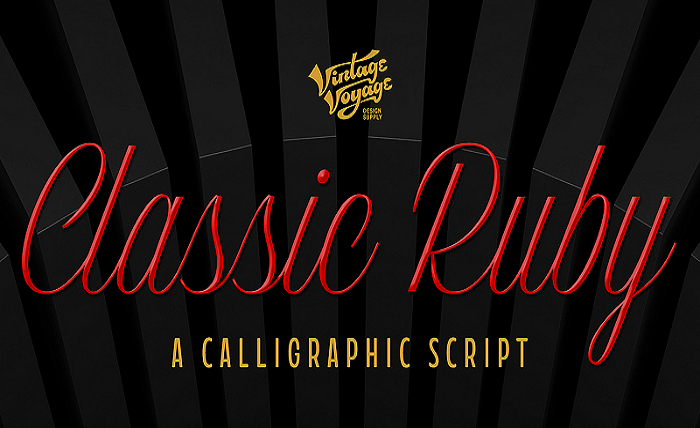
A style font is more than just text—it is a visual expression that communicates personality, mood, and purpose. Whether used in graphic design, social media posts, or printed material, a style font creates a first impression. Choosing the right style font can determine whether your message resonates or falls flat. Designers often experiment with serif, sans-serif, handwritten, and decorative style fonts to match their branding and audience expectations.
Every brand, website, or creative project benefits from a thoughtful style font because it reflects identity. For instance, a playful style font may suit children’s content, while a sleek, modern style font elevates tech-related branding. Understanding what makes a style font appealing involves examining letter shapes, spacing, and legibility.
The impact of a style font extends beyond aesthetics; it also affects readability and user experience. Using a cluttered or inconsistent style font can confuse readers and reduce engagement. Conversely, a cohesive style font enhances professionalism and style consistency across platforms.
Types of Style Fonts for Every Occasion
There are countless types of style fonts available today, each serving unique purposes. Serif style fonts, for instance, convey tradition and reliability, making them ideal for newspapers, magazines, and professional documents. Sans-serif style fonts, in contrast, give a modern and minimalist look suitable for digital content, websites, and tech branding.
Handwritten and script style fonts provide a personal, authentic touch. They are perfect for invitations, greeting cards, and creative social media graphics. Decorative style fonts, often elaborate and bold, are attention-grabbing and work best for headlines and posters.
Knowing which style font to use depends on the tone you wish to convey. A mismatched style font can undermine your message, while the right one reinforces your identity. Designers often combine complementary style fonts—like a bold headline font with a clean body font—to achieve aesthetic harmony and readability.
How to Choose the Perfect Style Font
Selecting the perfect style font requires a balance between creativity and functionality. The first step is understanding your audience. For example, a youthful audience may appreciate quirky, playful style fonts, while corporate clients prefer clean, professional options.
Next, consider readability. No matter how visually stunning a style font is, if it is difficult to read, it fails its purpose. Test your style font at different sizes and on various devices to ensure clarity. Tools like Google Fonts or Adobe Fonts provide a wide range of style fonts that are tested for both web and print usage.
Another tip is to maintain consistency. Using too many different style fonts can confuse viewers and dilute your brand identity. Ideally, choose one primary style font for headers and a complementary one for body text. This method ensures cohesion and enhances the overall design appeal.
Tools and Resources for Style Fonts
Today, there are numerous tools and resources available to explore style fonts. Platforms like Canva, Figma, and Photoshop provide extensive libraries of style fonts that designers can experiment with. Free resources, including Google Fonts, offer high-quality style fonts suitable for both personal and commercial projects.
Specialized websites, such as DaFont and FontSquirrel, offer unique and creative style fonts that can transform ordinary text into engaging visuals. Some tools even allow you to generate your own style font, providing complete customization and a signature design element.
Understanding these resources can save time and ensure your style font choices align with your project goals. By testing multiple style fonts and observing their impact, you can select a font that not only looks good but also communicates the right tone and message effectively.
Style Font in Branding and Marketing
A well-chosen style font can dramatically influence branding and marketing success. It’s not just a decorative element; it’s an essential component of visual identity. Companies use style fonts to differentiate themselves, evoke emotions, and create memorable impressions.
For example, luxury brands often use elegant, serif style fonts to convey sophistication and prestige. Conversely, a bold, playful style font can signal energy and fun, ideal for youth-oriented products. Social media, packaging, and advertising materials all benefit from consistent use of style fonts that reinforce brand messaging.
Moreover, style fonts contribute to storytelling. Through careful selection, brands can subtly communicate values and moods, from trustworthiness to creativity. As such, marketers must treat style font selection as a strategic decision rather than a purely aesthetic one.
Tips for Pairing Style Fonts
Pairing style fonts effectively requires both intuition and design knowledge. One common method is pairing contrasting fonts, such as a decorative style font for headings with a simple, clean style font for body text. This approach highlights important information while maintaining readability.
Avoid pairing too many decorative or ornate style fonts together, as this can overwhelm viewers. Stick to two or three complementary style fonts to ensure visual balance. Also, consider the weight, spacing, and style of each font. Bold and thin fonts often work well in combination, as do serif and sans-serif fonts.
Experimentation is key. By testing multiple style font pairings, you can identify combinations that enhance aesthetic appeal and communicate your message effectively. Remember, successful style font pairing strengthens brand recognition and enhances the overall user experience.
Common Mistakes to Avoid with Style Fonts
While style fonts are powerful tools, misuse can harm design and readability. A common mistake is overusing decorative fonts in long text blocks. While visually appealing, such style fonts can strain readers’ eyes and reduce comprehension.
Another mistake is poor contrast between the style font and the background. A beautiful style font may become unreadable if the color scheme does not provide sufficient contrast. Always test your style font against various backgrounds to ensure clarity.
Using too many different style fonts in one project is also detrimental. Inconsistent typography creates a chaotic look and undermines professionalism. Lastly, neglecting mobile optimization is a mistake. A style font that looks great on desktop may appear cramped or distorted on smaller screens. Always test your style font on multiple devices.
Conclusion
In summary, a style font is an essential design element that combines aesthetics and functionality. From branding and marketing to social media and printed materials, the right style font elevates your content, enhances readability, and communicates identity.
By understanding types of style fonts, using reliable tools, and following best practices, anyone can select fonts that leave lasting impressions. Avoid common mistakes and experiment with pairings to create cohesive and visually appealing designs. Ultimately, mastering style fonts empowers you to convey messages with elegance, creativity, and clarity.
FAQs
Q1: What is the difference between a style font and a regular font?
A style font emphasizes design, personality, and aesthetics, while regular fonts prioritize readability and functionality.
Q2: Can I use style fonts for websites?
Yes! Many style fonts are optimized for web use, ensuring readability across devices while enhancing design appeal.
Q3: Are style fonts free to use?
Some style fonts are free, especially from Google Fonts, while others may require licensing for commercial use.
Q4: How do I pair style fonts effectively?
Pair a decorative style font with a clean, simple font for balance, avoiding too many ornate fonts together.
Q5: Can style fonts affect branding?
Absolutely. The right style font communicates tone, professionalism, and brand identity, influencing audience perception.